
By Lucas the Tinkerer – Fixing Air One Particle at a Time
If you’ve heard the term PM2.5 tossed around like it’s some invisible villain — you’re not wrong. These microscopic particles don’t just float in the air; they invade your lungs, bedrooms, and dreams.
Let’s break down what PM really means, why size matters, and what science says about your breathing space while you sleep.
What Is PM2.5 and PM0.3?
- PM stands for Particulate Matter, a mix of solid particles and liquid droplets in the air.
- The number refers to the diameter in micrometres (aka microns).
| Term | Size | Can Be Found In… |
|---|---|---|
| PM2.5 | ≤ 2.5 microns | Smoke, cooking fumes, dust, car exhaust |
| PM0.3 | ≤ 0.3 microns | Ultrafine particles from combustion, viruses |
These sizes are invisible to the naked eye. For context, a human hair is around 70 microns wide. PM2.5 is 1/30 of that — and PM0.3 is 1/200.
Standard Units and Recommended Levels
PM levels are measured in micrograms per cubic meter (µg/m³).
According to the World Health Organization (WHO) and NEA Singapore, these are the benchmarks:
- PM2.5 Safe Level (24-hour average): Below 15 µg/m³ (WHO), 25 µg/m³ (NEA)
- PM2.5 Ideal for Bedroom (Night Use): Below 10 µg/m³ (4,000 to 6,000 PC/L), ideally <5 µg/m³ (2,000 to 3,000 PC/L) for sensitive individuals
- PM0.3 has no formal mass-based standard yet, but particle count per liter is often used for HEPA filter testing. A relaxed target for PM0.3 particle count indoors could be < 50,000 PC/L for healthy air.
Health Impact: Why You Should Care
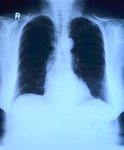
These tiny particles bypass your body’s filters — nose hairs, mucus, even your trachea — and burrow deep into the lungs, reaching your alveoli where oxygen exchange happens.
Common issues from high PM2.5 and PM0.3 exposure:
- Asthma, sinus irritation, and allergic reactions
- Poor sleep quality and nocturnal coughing
- Long-term risk of respiratory disease, cardiovascular problems, and reduced immunity
Even if you feel fine, your lungs might be playing host to a microscopic mosh pit every night.
Want to Know What You’re Really Breathing at Night?
At the time of writing, this company still offers free assessments of:
- PM2.5 and PM0.3 levels in your bedroom
- Mattress moisture reading (a hidden factor in dust mite and mold growth)
⚠️ No obligation. No pressure. Just actionable info for better sleep.
🛏️ SmartClean’s deep cleaning service goes beyond what you see — targeting what you breathe. Because what’s in your air ends up in your lungs.
Lucas the Tinkerer once built a DIY air purifier out of fan parts and a dream. Now he writes about airflow like it’s a religion.